How we judge China sourcing routes before recommending them
The method is simple: make the buyer risk visible before the deposit leaves. Supplier claims are cheap. Written specs, evidence, inspection, and landed-cost math are what matter.
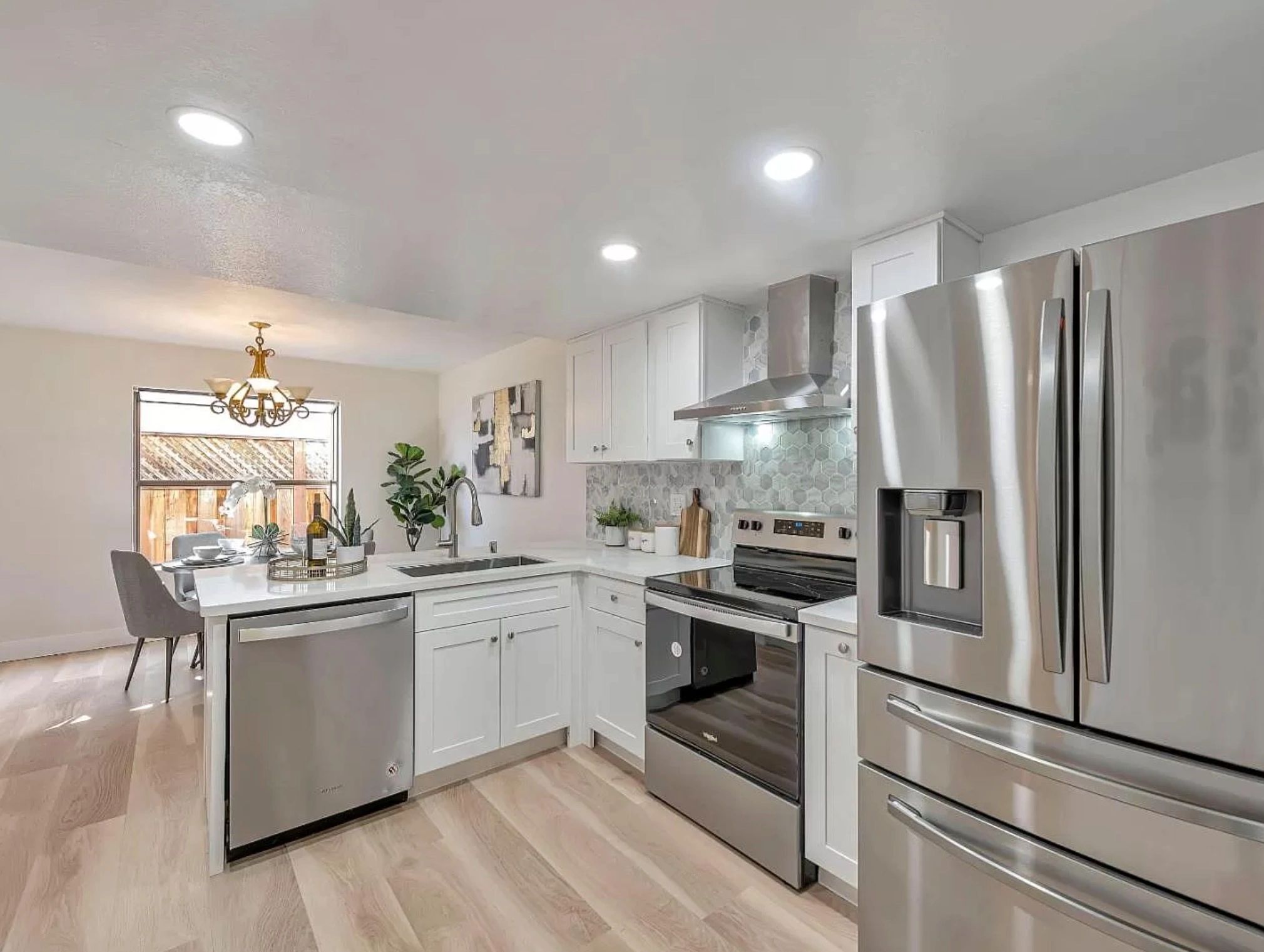
Explain how China Home Source evaluates sourcing advice, supplier route language, risk notes, and verification boundaries.
We start with whether China sourcing is worth it
A product is not a good China sourcing target just because the factory price looks low. We look for enough order value, customization need, margin gap, or product bundling to justify samples, inspection, freight, duties, damage allowance, and time.
- Good fit: whole-home packages, remodels, rental furnishing, custom cabinets, tiles, lighting, vanities, doors, windows, and bundled decor.
- Bad fit: tiny one-off orders, rush purchases, vague custom specs, and products with unresolved local-code risk.
- Borderline fit: mixed small orders where freight and coordination can eat the savings.
We separate listed, reviewed, and verified
Supplier status language stays conservative. Listed means the supplier or sourcing route exists in public or category research. Reviewed means the profile has been manually checked against available evidence. Verified is reserved for proof such as direct review, factory audit, documents, references, or other concrete evidence.
- We do not call a supplier verified because a marketplace badge says something shiny.
- We record caveats when supplier role, MOQ, export markets, or product range is unclear.
- We prefer boring evidence over impressive adjectives. Boring wins.
We judge routes by failure points
Every recommendation has to survive the boring ways sourcing fails: wrong dimensions, material substitution, weak packing, unclear payment milestones, missing spare parts, freight damage, and no inspection before final balance.
- Specs: dimensions, finishes, materials, tolerances, drawings, and samples.
- Quality: approved sample, production photos, random inspection, defect photos, and carton checks.
- Freight: incoterms, carton dimensions, crating, duties, port fees, local delivery, and damage allowance.
What this site does not prove by itself
China Home Source is a buyer guide and sourcing-intake layer. Public pages are not a substitute for legal advice, customs brokerage, code compliance review, third-party inspection, or a signed supplier contract.
Before you move forward
- Treat factory price as the beginning of the cost model, not the answer.
- Ask what evidence supports any supplier status label.
- Write the product spec before asking for final pricing.
- Use inspection before final balance on custom or high-value orders.
- Keep supplier caveats visible instead of burying them under sales copy.
Common questions
Do you verify every supplier listed on the site?
No. Listed and reviewed are not the same as verified. Verified requires manual evidence, and we keep that line firm because fake trust is worse than no trust.
Why focus on landed cost instead of factory price?
Because buyers pay the landed cost. Freight, duties, inspection, damage allowance, local delivery, and delays can turn a cheap quote into expensive nonsense.